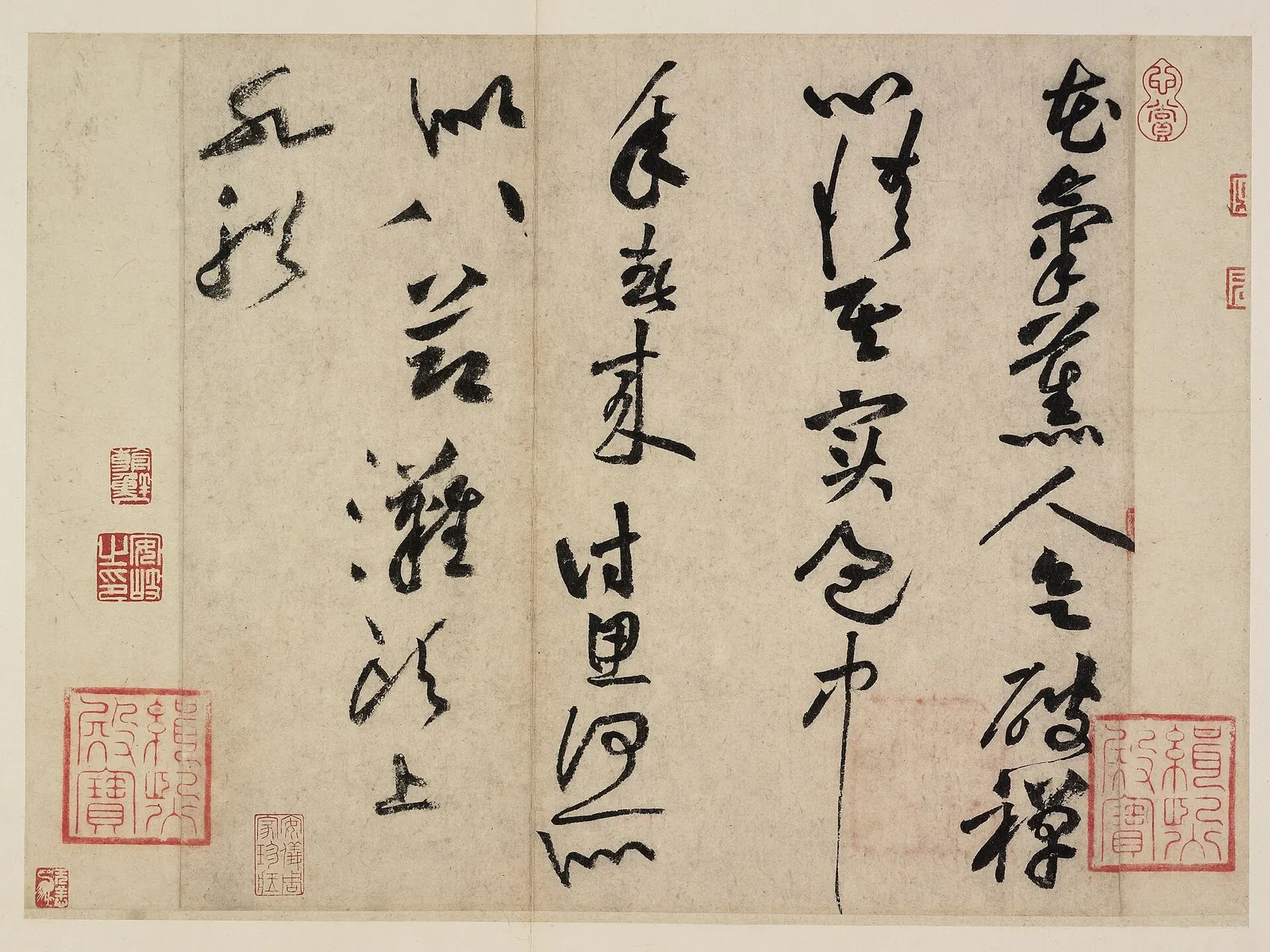
Translation looks simple from the outside: text goes in one side, text comes out the other. In practice, a good translation passes through several stages, and each stage catches a different kind of mistake. This page walks through the whole arc — from the first read of the source to the final check — and explains what tends to make work between an Asian and a European language slower than work between two close relatives.
What written translation actually is
Translation is not the transfer of words. It is the rebuilding of meaning in a second language, using the habits, rhythms and expectations of that language. A Japanese sentence and an English sentence can carry the same information while sharing almost no structure: different word order, different attitudes to the reader, different ways of showing who is speaking to whom.
The translator's job is to decide, sentence by sentence, what matters most. Sometimes that is the literal content. Sometimes it is the tone. Sometimes it is the effect on the reader — a polite refusal, a warning, a joke. Written translation is the art of choosing which of these to preserve when they cannot all be preserved at once.
This is different from the work described on our interpreting page, where decisions happen in seconds and cannot be revised. Writing allows time, and time allows a better answer.
Reading the source properly
The first stage costs nothing and prevents most disasters. Before writing a single target sentence, read the whole document. Not for detail — for shape.
- What kind of text is this? A manual, a contract, a press release, a museum label and a personal letter all obey different rules.
- Who is it for? A specialist reader accepts technical vocabulary; a general reader needs it explained.
- Who wrote it, and in what voice? Formal, warm, dry, hurried — that voice has to survive.
- What is it doing? Informing, persuading, instructing, apologising, recording.
A text read only in fragments tends to come out as fragments. Reading first also reveals repeated terms, which saves work later.
Building terminology before drafting
Technical texts live or die by consistency. If a Chinese term appears forty times, its English equivalent should appear forty times in the same form. The way to guarantee that is to decide early.
Most translators keep a glossary for each project: source term, chosen equivalent, a note about context, and the source of the decision. Where an official or industry standard exists, it usually wins. Where none exists, the translator chooses the clearest option and then sticks to it, even when a synonym would read more elegantly.
Names need the same treatment. Personal names, place names and organisation names each have conventional renderings, and mixing two conventions in one document looks careless even when both are defensible. Names also raise the question of order and script — a topic we look at in more detail on the languages page.
Drafting
Drafting is the long stretch. Good practice here is fairly consistent across languages:
- Work in units of meaning — a paragraph, a clause group, a table row — not word by word.
- Write the target sentence as a sentence, then check it against the source. Doing it the other way round produces text that reads like a copy of the original grammar.
- Leave placeholders where information is missing rather than inventing it. A visible gap can be resolved; a confident guess cannot.
- Keep queries in a list as you go. Interrupting the draft to chase every question breaks the rhythm of the work.
Speed matters less than it seems. A translator working at a steady pace usually produces a cleaner draft than one racing to a word count, because fewer problems are buried in the first version.
Revising and checking
The draft is raw material. The finished text comes from revision, and revision is best done in passes, each with a single purpose:
- Accuracy pass. Source beside target, line by line. Numbers, dates, units, negations and conditional words get special attention — these are where small errors do the most damage.
- Language pass. Target only, read aloud if possible. Anything that sounds like a translation gets rewritten.
- Consistency pass. Terminology, names, capitalisation, headings, numbering.
- Format pass. Layout, tables, cross-references, footnotes — the territory covered on our desktop publishing page.
For long or high-stakes texts, a second translator reviews the work of the first. A fresh reader notices what the original translator has stopped seeing. This is standard practice in publishing and in public documentation, and it is worth arranging whenever the text will be read closely.
Why Asian–European pairs need more time
Translation between, say, Spanish and Italian is largely a matter of adjustment. Between Chinese or Japanese and English, the translator is often rebuilding more of the sentence.
Writing systems
Chinese characters carry meaning and sound together; Japanese mixes several scripts in one sentence. English letters carry sound. Moving between these systems is not a substitution exercise — it involves decisions about how much of the original to keep visible.
Sentence architecture
Chinese and Japanese often place the main verb late and build context before conclusion. English prefers the point early and the support afterwards. A translator who follows the source order produces English that feels endlessly delayed; one who follows English order may have to restructure a whole paragraph.
Politeness and register
Many Asian languages encode social relationships directly in verb forms and pronouns. English does it through word choice, hedging and tone. There is rarely a one-to-one match, so the translator has to decide what level of formality the reader should perceive.
Shared context
Texts written for readers inside a culture often leave things unsaid. Translating them for outsiders may mean adding a few clarifying words — a small expansion that is entirely normal and not padding. Our subject areas page lists the kinds of documents where this comes up most often.
What a client can prepare beforehand
Most delays in a translation project come from missing information rather than slow writing. A few things help enormously:
- The final source text, not a version still being edited.
- Any earlier translations, glossaries or word lists used by the organisation.
- A short note on the audience and where the text will appear.
- Names of people, products and places in their preferred form.
- A named person who can answer questions about meaning.
Questions are a sign of care, not confusion. A translator who asks about an ambiguous sentence is doing the job properly.
Where to go next
If you want the wider picture of how spoken and written work differ, the activities page sets out the range. The history page describes how this practice developed, and the references page points to dictionaries, style guides and public resources worth knowing. For anything specific, get in touch.