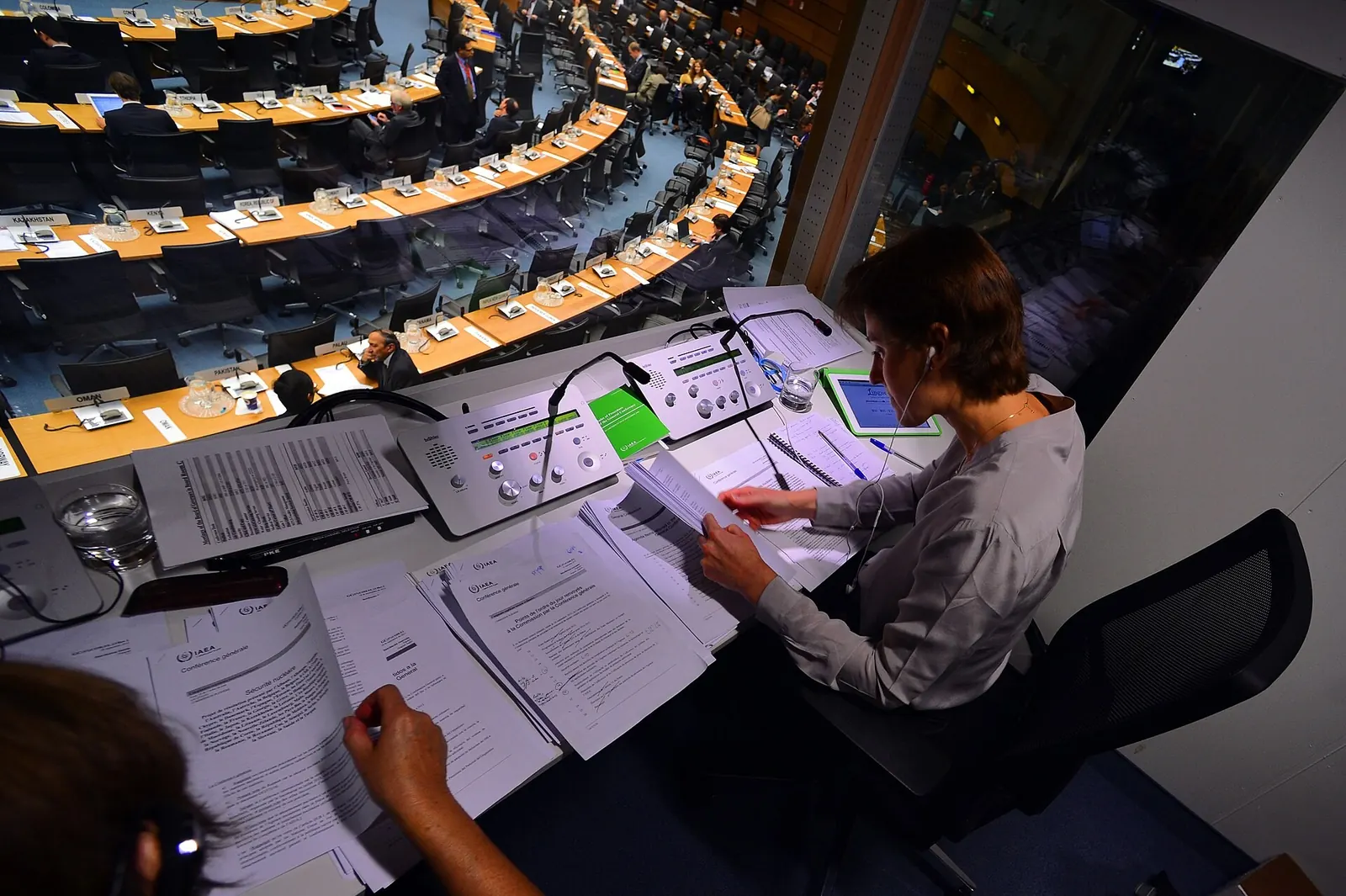
People often picture translation as one person alone with a document. In practice, a finished text usually passes through several pairs of hands, each with a different kind of attention. This page describes those roles in general terms — not a list of names, but a picture of how the work is organised.
Who does what
A typical project moves through a small sequence of stages:
- Translator — produces the first full draft, working from the source text and any glossary or reference material supplied.
- Reviser — reads the draft against the original, checking accuracy, consistency and tone.
- Subject specialist — answers terminology questions when the text sits in a technical, medical or legal field.
- Typesetter or layout editor — fits the finished text back into the design, handling line breaks, tables and scripts that read right to left or top to bottom.
- Proofreader — a last read of the laid-out file for typos, stray characters and broken formatting.
Why revision is kept separate
The person who wrote a draft finds it hard to see their own slips, and a fresh reader catches things the translator's eye has smoothed over. Keeping translation and revision as two distinct steps also means the reviser can flag a pattern — a term used inconsistently, a register that drifts — rather than just fixing single words. On shorter jobs the same person may do both, but the two passes still happen.
Subject specialists and terminology
No translator covers every field. When a document depends on precise vocabulary, a specialist is often asked to confirm a term list before work begins, so the translator and reviser both work from the same choices. This is common in patents, clinical documents and engineering specifications. The specialist does not translate; they settle the words everyone else will use.
Layout and the final file
Once the text is settled, it has to fit the page. Desktop publishing work is where translated words meet the original design, and where scripts with different line directions and spacing rules need extra care. A good layout pass keeps the document readable without quietly changing the wording.
How the network holds together
Good collaborations run on clear briefs, agreed terminology and honest feedback about deadlines. Most of the work described on this site — translation, interpreting, and the language and subject coverage listed under areas of work — depends on that kind of quiet coordination. If you would like to discuss a project or a working arrangement, get in touch.