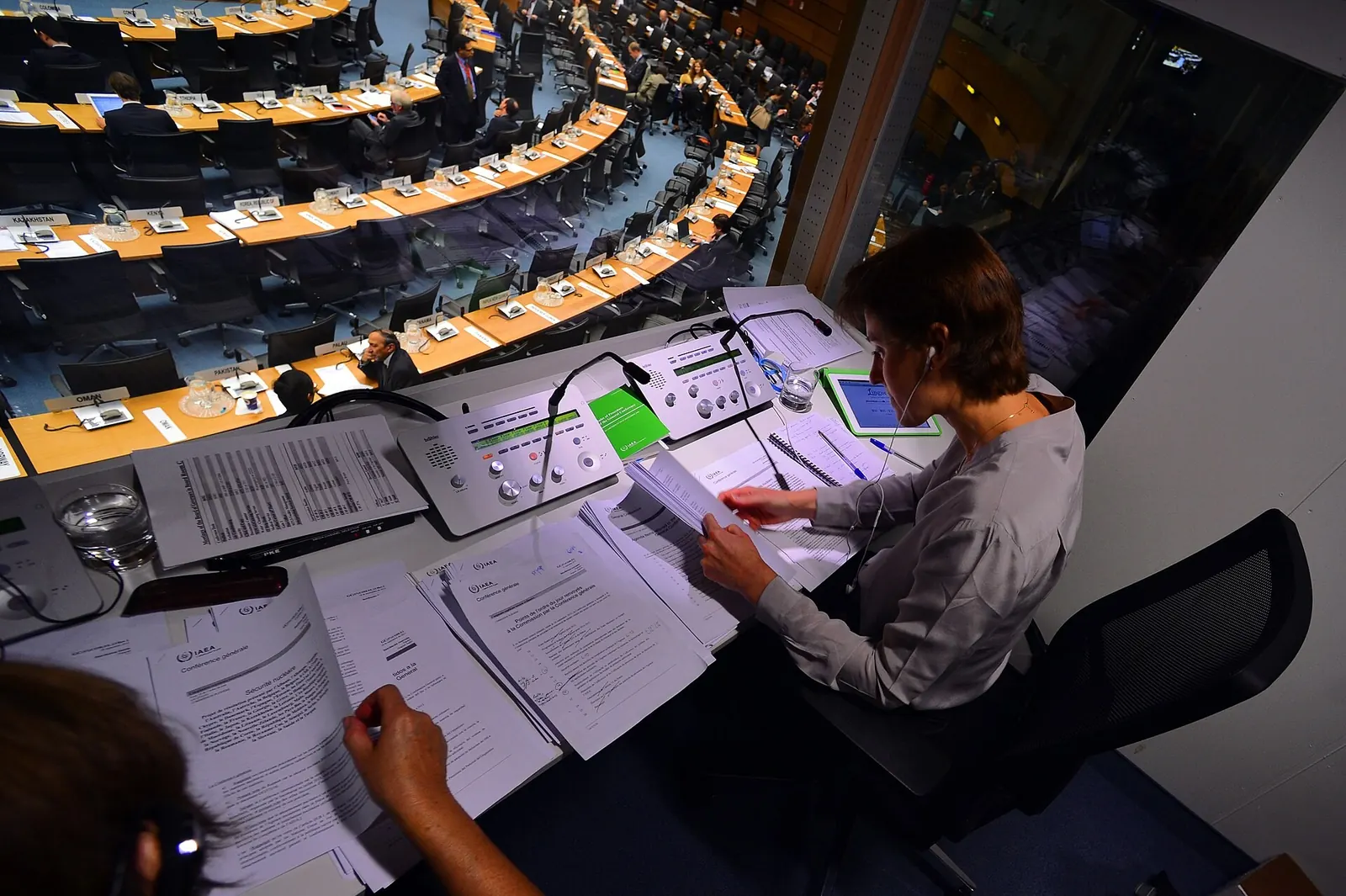
If you have never ordered a translation before, the process can seem opaque. What follows is a plain description of how a typical project runs from an initial enquiry to a finished file. Not every job needs every step, but the sequence is a useful map.
Scoping the job
Everything starts with a conversation about the text itself. Useful questions include: what is it for, who will read it, and where will it appear? A product label, a court document and a website page all call for different treatment. At this stage the source language and target language are confirmed, along with the deadline and the format you want back. See the languages we work with for the usual combinations.
Sampling and terminology
For longer texts, a translator will often look at a sample before quoting. This reveals how technical the material is and whether a glossary already exists. Terminology decisions matter most in fields such as law, medicine and engineering, where a loose synonym can change the meaning of a clause. Where a client has preferred terms, those are recorded and reused so the same word is translated the same way throughout.
Drafting
The translator works through the text, aiming for meaning rather than word-for-word substitution. Sentence order often has to change, because languages build ideas differently. Titles, headings, numbers and units of measure all need attention too.
Review and editing
A second pair of eyes checks the draft against the source for accuracy, and reads the target text on its own for fluency. Queries — places where the original is ambiguous or looks like an error — are collected and sent to you rather than guessed at. This back-and-forth is normal and usually improves the result.
Layout and delivery
If the translated text has to fit an existing design, it can be returned in the original file format with the layout intact; that work is described under desktop publishing. Otherwise a plain document is usually enough.
- Have your source file ready in an editable format where possible.
- Say who the readers are and what the text must do.
- Mention any deadline that is fixed, and any that is merely convenient.
- Send reference material — earlier translations, glossaries, style guides.
For a closer look at the craft itself, see translation and references. If you would like to discuss a project, write to us here.