From a distance, translation looks like a straight exchange: a document goes in, the same document comes out in another language, and the reader on the far side simply reads. Up close it is a series of decisions, most of them invisible in the finished text. Between Tongues is a set of notes on those decisions, written for people who work with Asian and European languages and want to understand what is actually happening on the page.
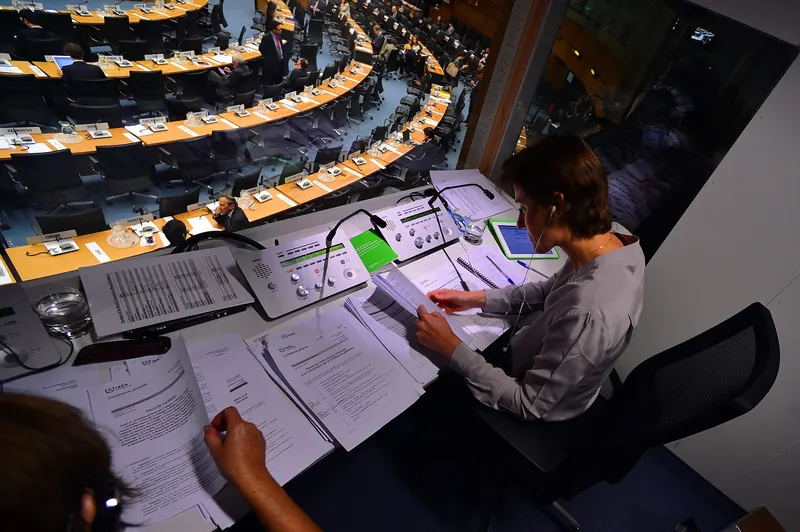
The pieces here are practical rather than theoretical. They look at what a translator does with a sentence that refuses to line up, how interpreters manage meaning in real time, and why a finished translation is not finished until someone has set the type.
What happens when a text moves between languages
Picture a Japanese business letter addressed to a French supplier. A translator reads it once for meaning, again for structure, and a third time for the things Japanese marks that French handles differently: who is being respectful to whom, what is deliberately left unsaid, which details the writer assumes will be understood.
Japanese places the verb at the end of the clause and marks the role of each phrase with particles. French expects its subject near the front and wants its agreements to line up in gender and number. A sentence that arrives in one shape has to be rebuilt in another. That rebuilding is the whole job, and it is why translation is a craft rather than a substitution exercise.
Meaning before sentences
The first pass is not about words. It is about intent: who is writing, who will read, and what the reader is meant to do next. A polite refusal in Korean may be carried by indirect phrasing rather than by any single term. Rendering it word for word produces a sentence that sounds evasive or simply odd in German or Spanish. Rendering the intent produces a sentence the reader recognises at once.
Register, and why it is hard to keep
Many Asian languages encode social relationships inside the grammar itself. Japanese has honourific forms, Korean distinguishes speech levels, and Javanese uses separate vocabularies depending on who is speaking to whom. European languages mark formality more sparsely — often through the choice between familiar and polite pronouns. The translator has to decide what carries equivalent weight in the target language, and sometimes the answer lies in word choice rather than grammar.
Terms, names and things that do not line up
Specialist subjects bring their own vocabulary, and exact equivalents are not always available. Legal systems, medical categories and administrative procedures differ from country to country, so a single term may need a short explanation instead of a one-word match. Building a glossary at the start of a long project is how consistency survives across hundreds of pages, and how a second reviewer can check the work later. Our subject areas page sketches how this plays out in different fields.
Writing systems and layout
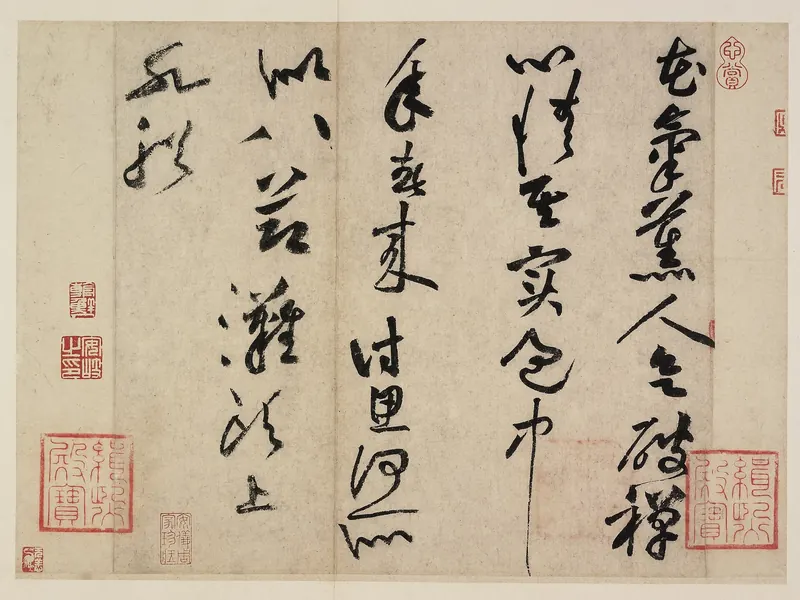
Chinese, Japanese and Korean text behaves differently on a page. Characters occupy square blocks, line breaks fall at different points, and punctuation takes different widths. Even when the wording is settled, the file has to be set so that nothing collides or drifts — a paragraph that reads perfectly in a word processor may need rebuilding in the design file. That step is covered under desktop publishing.
None of this makes translation mysterious. It makes it a craft with visible stages — read, decide, rebuild, check — and the checking deserves as much care as the first draft. The sections below open up the individual parts of that work.
About Between Tongues
Who writes here, what the site covers, and how the different strands fit together.